Thapathali, Kathmandu, Nepal
info@csds.com.np
9851189225, 9852046561




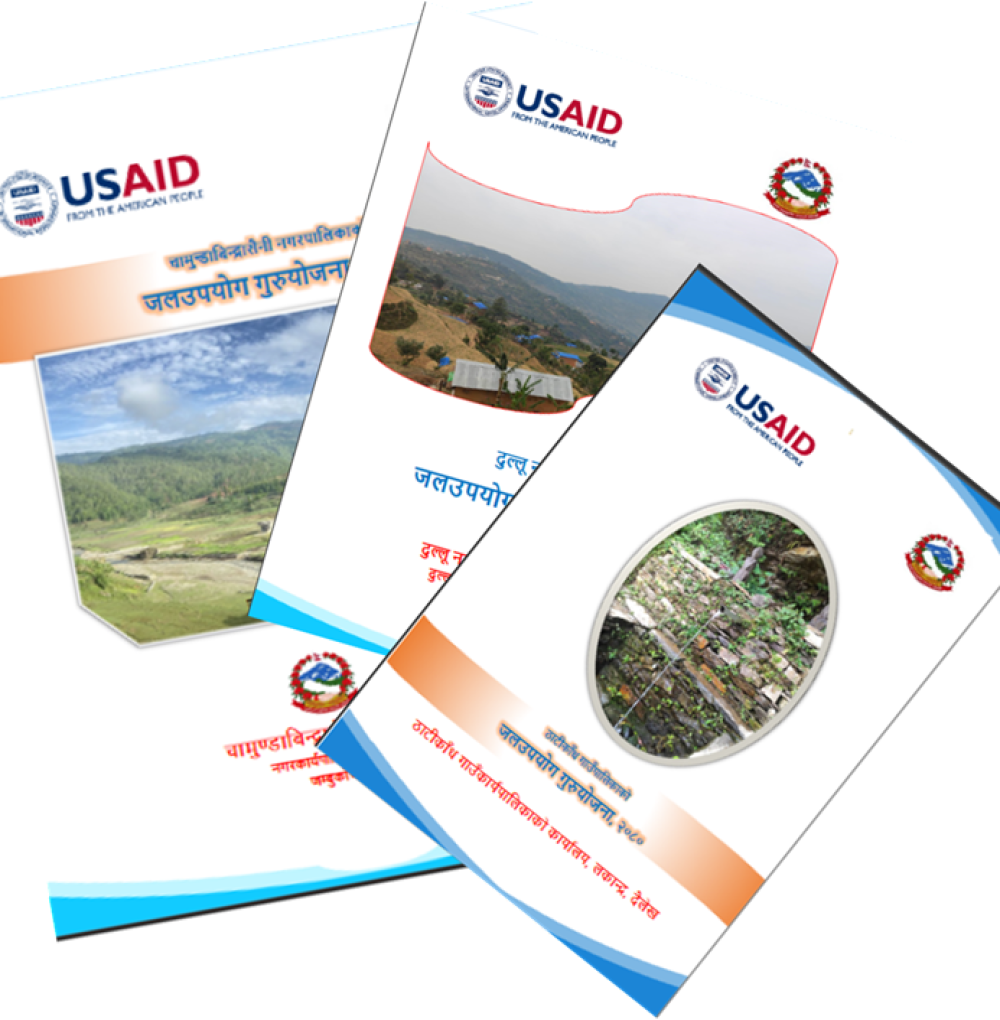
The USAID’s Karnali Water Activity (USAID KWA) wanted to create healthy, resilient, and water secure communities at the watershed level through strengthened water and sanitation governance that improves water resource management (including water for more resilient and biodiverse ecosystems), enhances sustainable access to drinking water, improves agriculture water management, and reduces the fecal pathogen burden in the environment from poorly managed non-sewered sanitation through fecal sludge management. The USAID KWA team wanted to methodically integrate Water Resource Management (WRM), watershed biodiversity conservation, and water and sanitation service delivery by mapping and strengthening the roles, connections, and capacities of key actors and stakeholders’ system wide in Karnali River Basin, which extends over Karnali, Lumbini and Sudurpashchim Provinces.
To achieve its objectives, USAID KWA/DAI awarded assignment to CSDS (30 March – 30 September 2023) to develop Water Use Master Plans (WUMPs), as per its Guidelines, incorporating all possible uses of water resources and cover four components of water resources management pertaining to (i) water supply and sanitation; (ii) irrigation and drainage; (iii) environment and climate adaptation; and (iv) water energy. The assignment was an integrated and inclusive planning applying tool for local governments to synchronize N-WASH system and WASH Plans; implement prioritized Drinking Water Schemes (DWS), including Multi Use Water System (MUS) and Spring Source Protection/Conservation (SSP).
As per the requirements, CSDS has develop WUMP of Dullu and Chamundabindrasaini municipality and Thatikandh Rural Municipality of Dailekh district covering 100% of household survey and inventory of water resource and drinking water system applying N-WASH app.