Thapathali, Kathmandu, Nepal
info@csds.com.np
9851189225, 9852046561




Posted on 15 May, 2025
A Strategic Vision for Data-Driven Governance and Inclusive Planning in Local Government
The implementation of federalism has shifted the center of gravity for development from the capital to the local level, placing the responsibility for service delivery and local democracy squarely on the shoulders of local governments. At the heart of this transformation is the Budget and Program Formulation Committee, a mechanism mandated by Section 67 of the Local Government Operation Act, 2074. This committee serves as the "Development Engine," synthesizing public aspirations, political vision, and administrative capability into a cohesive roadmap.
I. The Institutional Architect: The Committee Structure
The committee, led by the Vice-Chairperson/Deputy Mayor, creates a vital equilibrium between political accountability and technical rigor. By including the Chief Administrative Officer and the Planning Head, the structure ensures that the budget does not become a mere tool for political distribution but remains a foundation for sustainable, institutional development.
However, as policy makers, we recognize that the quality of this "Filtering and Fine-Tuning" stage—the crucial Fifth Phase of planning—is entirely dependent on the quality of data available. Without accurate community data, the strategic tasks of setting priorities, removing duplication, and assessing resources become guesswork rather than governance.
II. The Triyuga Paradigm: A Digital Awakening
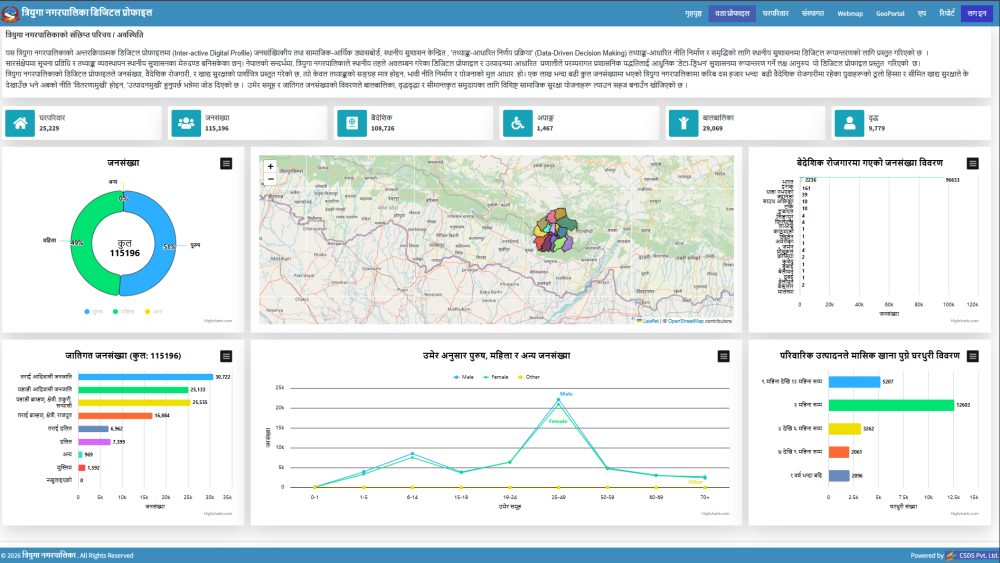
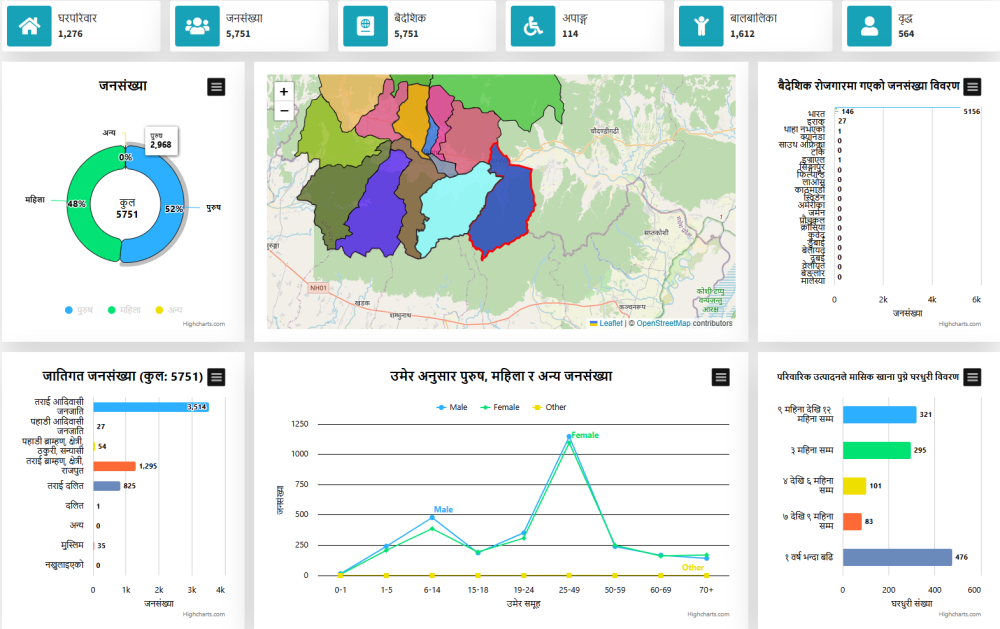
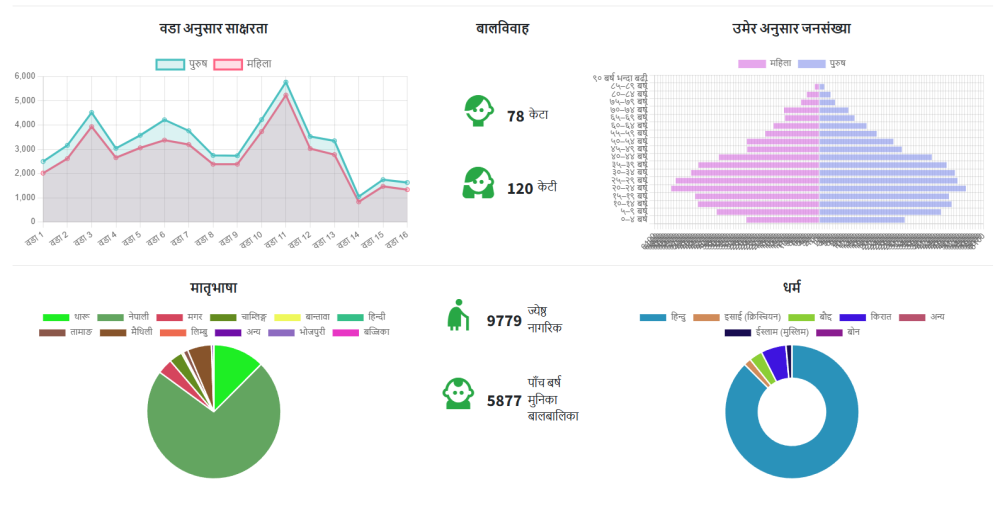
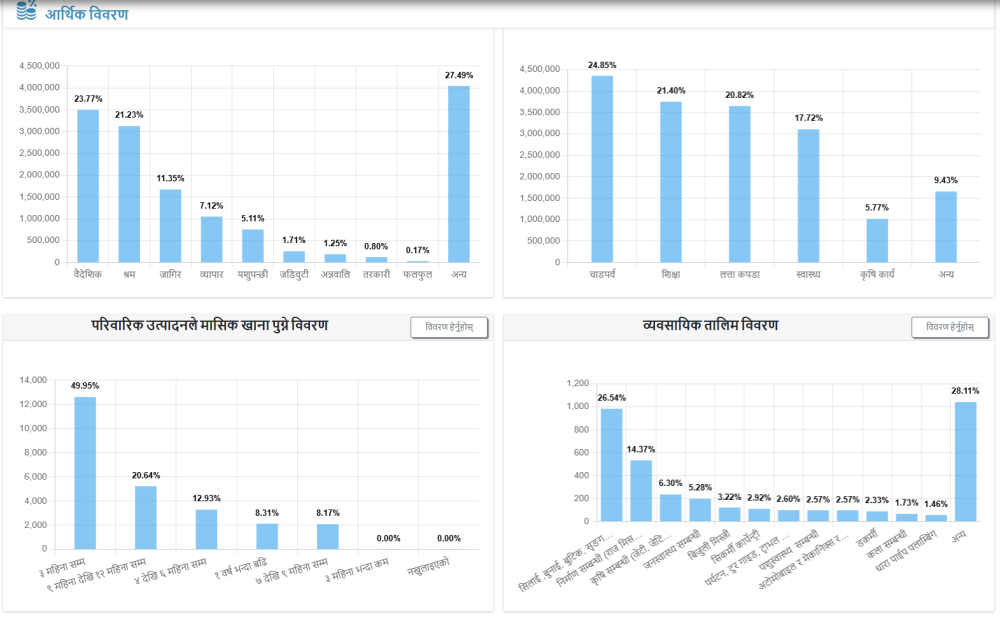
The recent opening ceremony in Triyuga Municipality, featuring the active participation of women in a digital training program, marks a pivotal moment in our journey toward "Smart Governance." This initiative—focused on the creation and utilization of Digital Profiles—is the missing link in our planning process.
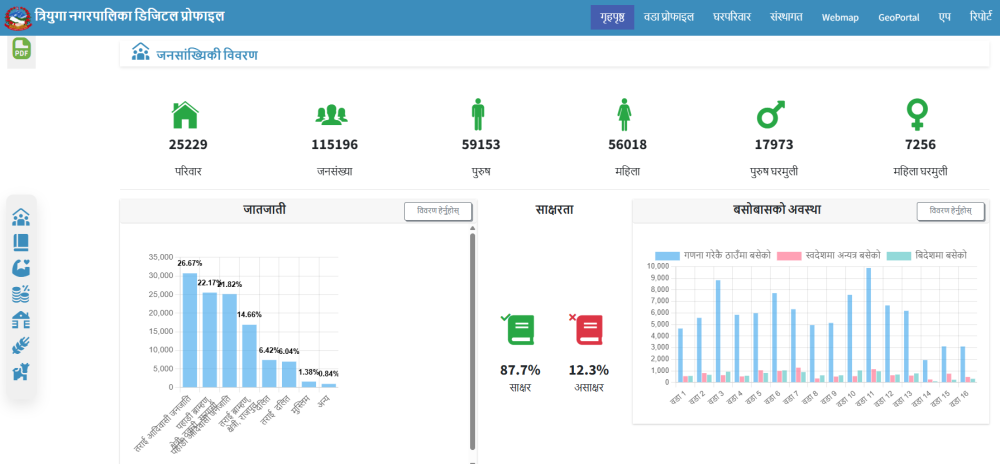
"Women, being at the heart of households and communities, bring essential insights and contextual understanding to data ecosystems, making the profiles more representative and impactful for planning, monitoring, and resource allocation."
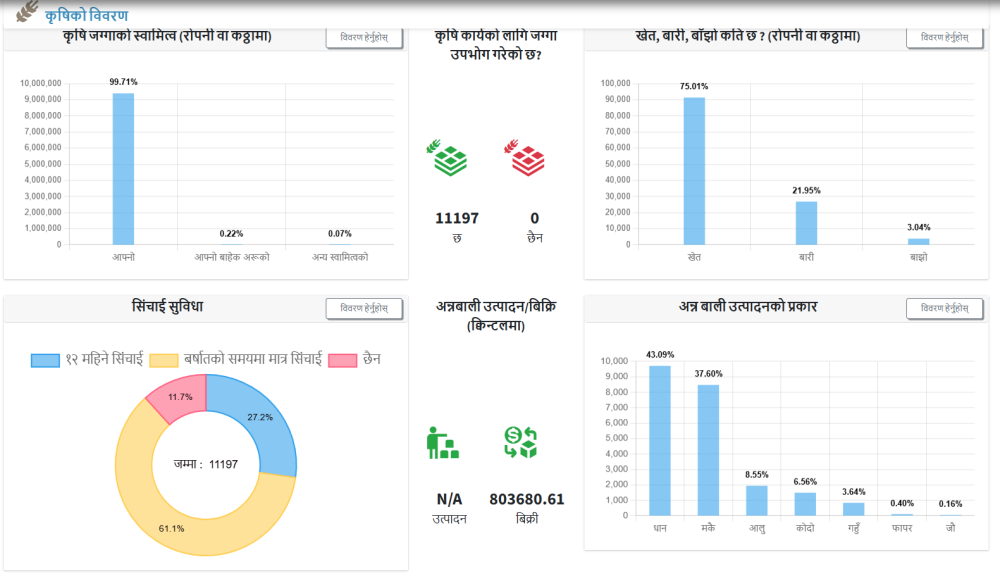
In an era where evidence-based decision-making is the gold standard, empowering women with digital literacy is a strategic masterstroke. It directly addresses one of the primary challenges identified in local planning: the lack of reliable data and a weak Project Bank. By positioning women as the primary architects of digital profiles, the municipality ensures that the "Bottom-Up" approach is not just a slogan, but a data-rich reality.
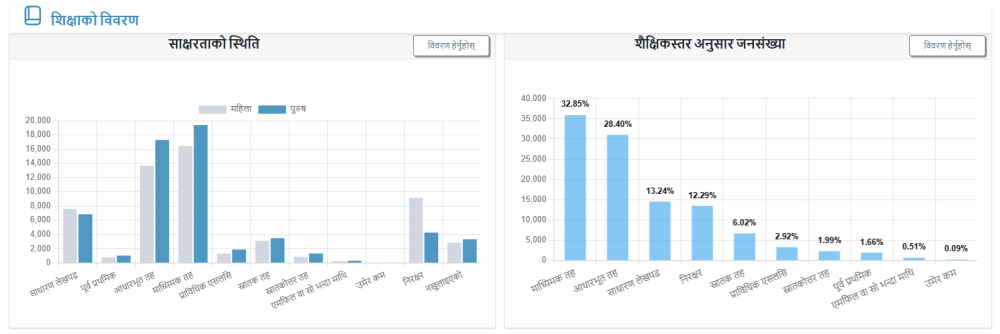
The Triple Balance of Digital Profiling
As GIS planners, we strive for a "Strategic Balance" across three dimensions:
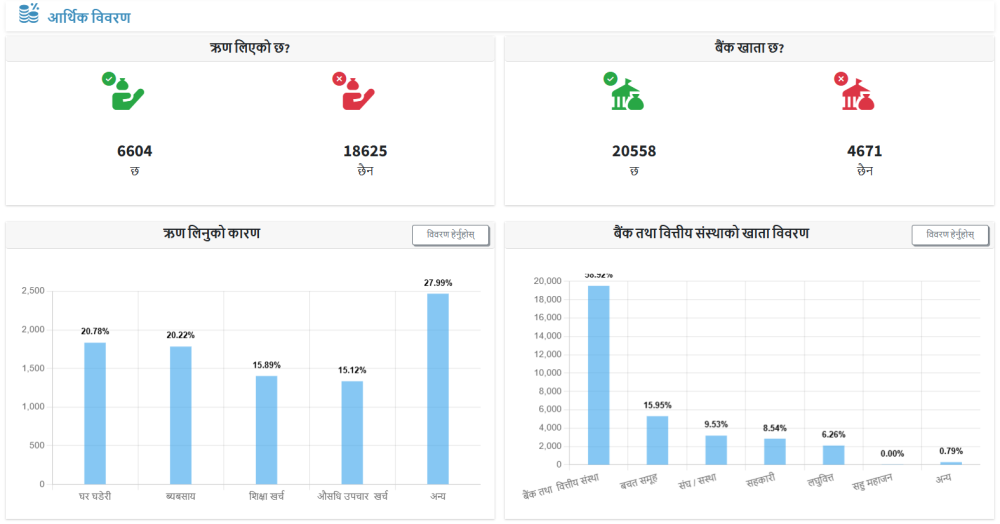
Digital profiling allows the committee to move beyond traditional, construction-focused budgeting to include social development, environmental management, and disaster risk reduction—elements that are often overlooked without granular community data.
III. Breaking the Digital Divide: Inclusion as Innovation
The initiative in Triyuga embodies the principle that innovation must be inclusive to be transformative. By involving women in digital capacity-building, we are not just closing the gender digital divide; we are building community resilience.
IV. Overcoming Challenges through Institutional Strength
The planning process faces significant hurdles: political pressure, limited resources, and the immense pressure to complete tasks within legal deadlines. The solution lies in institutional capacity development and transparency.
Ultimately, the Budget and Program Formulation Committee is not just a procedural requirement; it is the mirror that reflects the quality of our local democracy. The room full of attentive women in Triyuga, mastering the tools of the digital age, symbolizes a forward-looking government that understands the intersection of technology, gender, and resilience.
If we act with strategic vision—utilizing digital profiles to drive our annual development roadmap—we can change the face of our municipalities. Anything less risks leaving our budgets as mere "paper formalities". Let us embrace this digital revolution to ensure that every rupee spent is a step toward a more equitable and prosperous community.